

What Determines Veeva CRM Migration Cost and Timeline?
What drives Veeva CRM migration cost and timeline: countries, users, data, customizations, integrations, validation and rollout strategy—and how to estimate defensibly.

What drives Veeva CRM migration cost and timeline: countries, users, data, customizations, integrations, validation and rollout strategy—and how to estimate defensibly.

Plan the Veeva CRM transition: platform, data, AI, integration, operating model and total-cost decisions to make well before the support deadline.

What is Salesforce Marketing Cloud? Salesforce Marketing Cloud (SFMC) is a powerful digital marketing platform that enables businesses to connect with customers through personalized, data-driven campaigns across email, mobile, social, web, and more. As part of the Salesforce Customer Success Platform, Marketing Cloud empowers organizations to deliver the right message, at the right time, on the right channel — all while tracking customer behavior in real-time. In this article, we’ll break down what Salesforce Marketing Cloud is, its core modules, how it works, key features, benefits, common use cases, and what sets it apart from other marketing automation platforms. Why Salesforce Marketing Cloud? In a digital-first world, customer expectations are higher than ever. They demand seamless, relevant, and personalized experiences across every touchpoint. Salesforce Marketing Cloud allows brands to meet these expectations by turning customer data into actionable insights and marketing journeys. With it, marketers can: Build unified customer profiles Orchestrate cross-channel campaigns Leverage AI for personalization and insights Measure campaign performance and ROI Scale marketing automation across the customer lifecycle Whether you’re targeting new customers, nurturing leads, or re-engaging existing users, Marketing Cloud is designed to help brands of all sizes create smarter, more effective marketing strategies. The Core Modules of Salesforce Marketing Cloud Salesforce Marketing Cloud is made up of several powerful studios and builders. Each module has a specific role in creating, managing, and automating customer engagement. 1. Email Studio Email Studio is the backbone of Marketing Cloud. It lets marketers build personalized, responsive, and engaging email campaigns. With a drag-and-drop editor, dynamic content blocks, A/B testing, and robust segmentation, Email Studio helps businesses drive conversions through targeted email communications. Key Features: Drag-and-drop content creation Subscriber list management Dynamic content based on customer behavior A/B and multivariate testing Email tracking and analytics 2. Journey Builder Journey Builder enables marketers to create automated, multi-step campaigns that guide customers through a personalized journey. Whether it’s onboarding, re-engagement, or post-purchase follow-ups, Journey Builder helps deliver contextual messaging at scale. Key Features: Visual journey mapping Event-driven triggers Multi-channel campaign execution (email, SMS, push, ads) AI-powered recommendations via Einstein Real-time engagement tracking 3. Mobile Studio With Mobile Studio, businesses can communicate with customers via SMS, push notifications, and group messages. It’s ideal for real-time alerts, promotions, reminders, and location-based engagement. Key Features: Personalized SMS and MMS Push notifications for mobile apps Geo-targeting and mobile segmentation Time-sensitive alerts and campaigns 4. Social Studio (Now part of Salesforce Intelligence Platform) Social Studio allowed brands to manage, schedule, and analyze social media content across platforms like Facebook, Twitter, LinkedIn, and Instagram. It supported social listening, engagement, and publishing in one place. Note: Social Studio was retired in 2024 and its features have now been integrated into Salesforce Data Cloud and Intelligence Platform for a more unified experience. 5. Advertising Studio Advertising Studio connects CRM data with advertising platforms to create highly targeted ad campaigns on Google, Facebook, LinkedIn, and Twitter. It allows marketers to re-target existing customers, suppress audiences, and acquire lookalike leads. Key Features: CRM-based ad targeting Lead acquisition through social platforms Audience segmentation and suppression Cross-channel campaign attribution 6. Web Studio Web Studio supports content creation for websites and landing pages. It enables marketers to deliver personalized web experiences and collect customer data through forms and surveys. Key Features: Web page and microsite creation Data capture forms Content personalization Integration with Journey Builder and Email Studio 7. Interaction Studio (Now Personalization) Interaction Studio, rebranded as Salesforce Personalization, enables real-time personalization across channels. It helps marketers understand user behavior and dynamically tailor content, offers, and product recommendations accordingly. Key Features: Behavioral tracking and engagement scoring AI-driven content and product recommendations Real-time web and mobile personalization Integration with email, mobile, and ad channels 8. Datorama (Now Marketing Cloud Intelligence) Marketing Cloud Intelligence (formerly Datorama) provides marketing analytics, visualization, and reporting tools. It brings data from disparate sources into one centralized dashboard for smarter decision-making. Key Features: Unified data model across channels Custom dashboards and reporting ROI and performance analysis AI-driven insights 9. Salesforce CDP (Now Data Cloud) Salesforce Data Cloud (formerly CDP) helps unify customer data from different systems into a single, real-time profile. It enables advanced segmentation, personalization, and activation of audiences across channels. Key Features: Real-time data ingestion and unification Identity resolution across devices Audience segmentation Activation across marketing, commerce, and service channels Einstein in Marketing Cloud – AI-Powered Marketing Einstein is Salesforce’s AI engine that adds intelligence across the Marketing Cloud platform. It helps marketers optimize engagement, predict customer behavior, and deliver personalized experiences at scale. Einstein Features Include: Einstein Engagement Scoring Einstein Send Time Optimization Einstein Content Tagging and Image Recognition Predictive Lead Scoring AI-powered Recommendations in Personalization How Marketing Cloud Works Salesforce Marketing Cloud integrates with the Salesforce CRM and other external data sources to offer a 360-degree customer view. Here’s a simplified flow of how it works: Data Integration – Data is collected from various sources: CRM, websites, apps, email, offline, and third-party platforms. Audience Building – Marketers create segments using filters like demographics, behaviors, purchase history, and preferences. Campaign Design – Using Email Studio, Mobile Studio, Journey Builder, and other tools, personalized journeys are created. Orchestration & Delivery – Campaigns are launched across selected channels, often triggered by real-time events. Analytics & Optimization – Engagement is monitored using Marketing Cloud Intelligence to improve future campaigns. Key Benefits of Salesforce Marketing Cloud 1. 360-Degree Customer View Marketing Cloud integrates data from multiple systems — CRM, eCommerce, social, mobile, offline — into a unified profile. This allows marketers to understand customer behavior deeply and craft personalized strategies. 2. Cross-Channel Campaigns Unlike platforms that focus on one or two channels, SFMC allows campaigns to run simultaneously across email, SMS, push, ads, and web. This omnichannel approach ensures consistent messaging and better engagement. 3. Advanced Personalization From simple name-based personalization to AI-driven content recommendations, SFMC allows hyper-personalized interactions based on real-time behavior and preferences. 4. Marketing Automation at Scale Journey Builder and Automation Studio empower marketers to create event-driven, rule-based workflows
How AI Can Help MedTech Organizations Transform Order Management Effective MedTech order management is critical to an organization’s ability to compete in a fast-paced, highly regulated, and customer-driven market. However, many companies still rely on outdated manual processes, siloed systems, and reactive customer service practices that introduce delays, inefficiencies, and frustration across the supply chain. In today’s digital landscape, where real-time visibility and personalized service have become baseline expectations, Artificial Intelligence (AI) offers a powerful opportunity to reimagine and modernize order management in MedTech. AI-driven solutions not only help eliminate waste and repetitive inquiries but also empower teams to focus on strategic tasks, unlock new revenue streams, and deliver an exceptional customer experience. In this blog, we’ll explore how MedTech organizations can leverage AI to transform order management—from streamlining operations to maximizing profitability—and outline practical steps to get started. Identify the Waste Associated with Tracking Order Statuses One of the biggest pain points in MedTech order management is the sheer amount of time and resources spent on tracking and communicating order statuses. Customer service teams, account managers, and field representatives frequently field the same question: “Where is my order?” These WISMO (Where Is My Order) inquiries consume a disproportionate amount of staff bandwidth, particularly during product launches, supply chain disruptions, or peak order seasons. AI can help identify patterns in WISMO traffic, segment customers by inquiry type, and automate responses using predictive models. For instance, Natural Language Processing (NLP) can interpret email or chatbot queries and automatically generate order updates based on integrated ERP and logistics data. This not only reduces case volume but also improves response times and customer satisfaction. By tracking the root causes of these inquiries, AI also helps identify where delays occur, which processes are inefficient, and where human intervention adds minimal value—paving the way for systemic improvements across your order management workflow. Eliminate Repetitive Inquiries About Order Status That Bog Down Your Staff Repetitive inquiries are more than just a nuisance—they’re a sign of broken or incomplete processes. If customers regularly reach out for status updates, it means they’re not receiving timely, proactive communication or access to self-service tools. AI-powered virtual assistants, predictive analytics, and real-time order visibility dashboards can help reduce this burden dramatically. For example, AI tools can: Automatically update customers on order status changes via preferred communication channels (email, SMS, portal notifications) Forecast delivery dates using shipping patterns and real-time logistics feeds Provide intelligent self-service experiences through conversational AI (e.g., chatbots or voice assistants) Such tools not only empower customers with more control and transparency, but also free your internal teams to focus on complex cases that require empathy, problem-solving, or decision-making—ultimately elevating your service quality and operational efficiency. Connect Your Systems for Greater Efficiency Many MedTech organizations suffer from disconnected systems—separate platforms for CRM, ERP, warehouse management, and customer support—which leads to fragmented data and a lack of visibility across the order lifecycle. AI cannot deliver its full potential unless it’s powered by comprehensive, real-time, and integrated data. That’s why system integration is a critical prerequisite for AI transformation. Modern AI solutions can act as intelligent layers above your existing systems, using APIs and data connectors to harmonize data from multiple sources. Once unified, AI can analyze the full order journey—from quote to cash—detecting inefficiencies, predicting delays, and optimizing workflows. For example, if your ERP system flags a backorder, AI can alert your sales team in advance, suggest alternative products, or automatically send proactive messages to customers to manage expectations. These insights reduce bottlenecks, prevent surprises, and streamline communication across departments. Maximize Upsell and Cross-Sell Opportunities to Drive Revenue Growth AI doesn’t just optimize operations—it also unlocks new revenue streams. By analyzing customer purchasing patterns, product usage, and historical sales data, AI can identify high-potential upsell and cross-sell opportunities. Let’s say a hospital regularly orders orthopedic implants from your MedTech company. AI can recommend complementary tools, kits, or services based on similar customer behavior, usage trends, or even upcoming procedures (if integrated with clinical scheduling systems). Sales reps can be armed with real-time insights and suggestions, enabling them to deliver more personalized and relevant offers during conversations. This not only boosts average order value but also positions your company as a proactive, value-driven partner—not just a vendor. AI-powered platforms can even automate the recommendation engine within e-commerce portals or digital order forms, encouraging customers to expand their purchases without sales intervention. Resolve Cases More Effectively with AI Inefficient case resolution is a common bottleneck in order management. Missing order data, slow handoffs, and manual triaging can all lead to long turnaround times, frustrated customers, and operational overhead. AI tools like machine learning algorithms and intelligent case routing can significantly improve resolution speed and accuracy. Here’s how: Automated Case Categorization: AI can instantly identify and tag case types (e.g., shipment delay, damaged goods, product substitution) by analyzing ticket content or communication logs. Priority Prediction: Machine learning models can score and prioritize cases based on urgency, customer value, or historical escalation risk. Next Best Action Recommendations: AI can guide support agents on how to resolve issues faster by suggesting solutions drawn from past successful cases or knowledge base articles. Sentiment Analysis: NLP can assess the emotional tone of customer interactions, helping teams identify at-risk relationships early and tailor communication appropriately. By accelerating resolution and improving first-contact outcomes, AI enhances both internal productivity and external satisfaction. Take Advantage of Tools That Promote Better Collaboration Modern order management is a team sport, involving customer service, sales, supply chain, logistics, finance, and compliance. Yet poor collaboration and siloed information often lead to inconsistent communication and service gaps. AI-enabled collaboration tools help bring all stakeholders onto the same page. Whether it’s through real-time dashboards, AI-driven alerts, or intelligent document workflows, these tools reduce friction and promote a unified approach to order fulfillment. Some AI use cases that improve collaboration include: Shared Order Timeline Views: Real-time timelines accessible to both internal teams and customers, showing every step from order confirmation to delivery. Automated Task Assignment: AI can
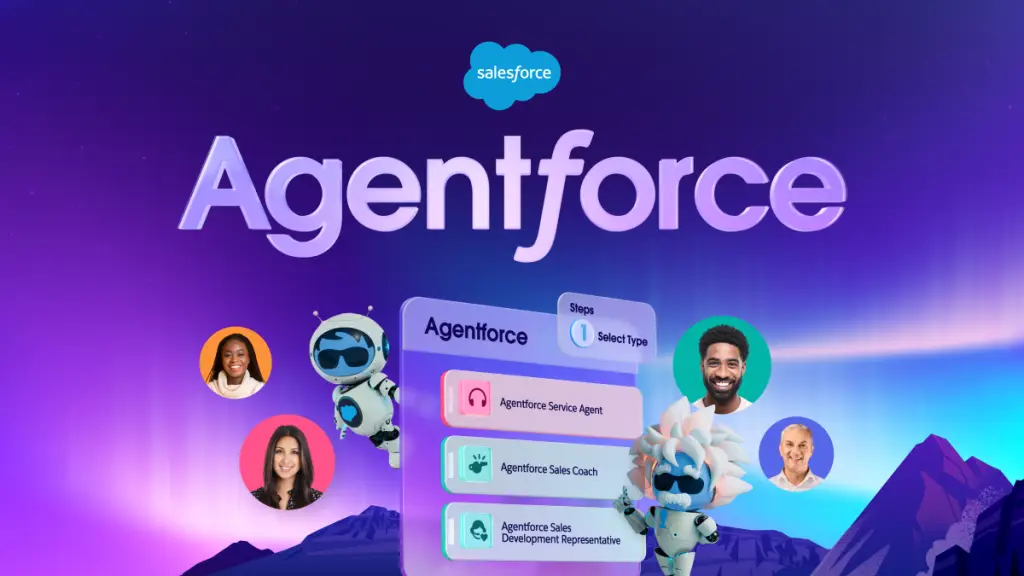
AI-Powered Automation: Transforming Marketing Efficiency with Agentforce In the fast-evolving digital landscape, automation has become a game-changer for businesses aiming to enhance efficiency and customer engagement. AI-powered automation, driven by Agentforce, is revolutionizing marketing by autonomously executing complex workflows and processes. This cutting-edge technology is not only improving productivity but also enabling organizations to scale their strategies while saving time and resources. How AI Enhances Marketing Automation AI-driven automation provides businesses with intelligent actions that streamline coordination, optimize touchpoints, and create a seamless experience across online and offline interactions. Marketers today face key challenges such as ensuring consistency across platforms, personalizing customer journeys, and optimizing engagement timing. AI helps overcome these hurdles by: Integrating data from multiple sources for personalized content delivery. Optimizing timing and relevance for better customer interaction. Measuring touchpoint effectiveness to refine future strategies. Marketer’s Key Questions As automation takes center stage, marketers frequently ask: How can I prevent overwhelming my audience? How do I scale my customer journey strategy? What’s the best way to maximize ROI for each send? How can I achieve more with fewer resources? By leveraging AI, businesses can effectively address these concerns while driving higher engagement and conversions. Solving Marketing Challenges with Agentforce Agentforce is a next-generation AI solution designed to assist marketers in building end-to-end campaigns. By utilizing AI prompts, it enables marketers to generate campaign briefs, customer journeys, and personalized content based on predefined goals. Here’s how Agentforce enhances marketing automation: 1. Campaign Brief Creation Using natural language prompts, marketers can describe their campaign objectives. The AI-driven agent grounds these prompts with data from Data Cloud and brand guidelines, ensuring a comprehensive campaign brief that includes: Strategy and key messages Customer segment attributes Optimized customer journeys 2. Automated Campaign Generation Once the brief is created, Agentforce takes over by: Building target audience segments Generating email subject lines, body copy, and SMS messages Constructing customer journeys in Salesforce Flow 3. Performance Optimization Post-launch, Agentforce analyzes performance metrics to help marketers take data-driven actions for continuous improvement. Leveraging AI for Smarter Marketing Strategies AI-powered tools like Marketing Cloud Engagement and Einstein Engagement Frequency further enhance automation by: 1. Send Time Optimization Using predictive AI, businesses can ensure emails land at the optimal time based on user behavior, improving open rates and engagement. 2. Triggered Campaigns & Journey Remapping By analyzing customer behavior, AI can automatically trigger campaigns for targeted outreach, such as: Notifying customers about restocked products Reminding shoppers about abandoned carts Encouraging users to complete onboarding 3. AI-Driven Engagement Insights Einstein Engagement Frequency assesses email sends and provides AI-driven recommendations to balance communication without overwhelming subscribers. Final Thoughts AI-powered automation is reshaping marketing efficiency, allowing brands to engage customers with precision, personalization, and data-backed strategies. With solutions like Agentforce and Marketing AI, businesses can optimize customer journeys, drive higher ROI, and scale campaigns faster than ever before. Are you ready to revolutionize your marketing strategy with AI-powered automation? Start leveraging Agentforce today!
Unlocking Marketing Potential with Salesforce Agentforce in Healthcare In today’s highly competitive healthcare landscape, effective marketing campaigns are not just a luxury—they are essential. For medical device companies, reaching the right healthcare professionals (HCPs), hospitals, and procurement teams at the right time can make the difference between a successful product launch and missed opportunities. Salesforce’s Agentforce is transforming the way medical device marketers operate—bringing AI-powered efficiency, personalization, and real-time insights to every touchpoint. From streamlining campaign execution to providing contextual engagement data, Agentforce enables medical device firms to build deeper relationships with customers while accelerating business outcomes. In this article, we’ll explore what Agentforce is, how it’s elevating healthcare marketing, and why it’s a game-changer for the medical device industry. What is Agentforce? Agentforce is a next-generation AI assistant embedded within the Salesforce platform. Designed to serve as a digital teammate, Agentforce provides always-on, contextually aware support for both internal users and external stakeholders. It’s powered by the Atlas Reasoning Engine, a proprietary AI system that combines retrieval-augmented generation (RAG) with contextual decision-making to deliver intelligent, verifiable responses backed by data and citations. This makes Agentforce particularly valuable in regulated industries like medical devices, where compliance, accuracy, and traceability are non-negotiable. Agentforce can tap into internal knowledge repositories, CRM records, marketing assets, product data, and customer insights to help marketing teams create, optimize, and automate high-impact campaigns—all within Salesforce. Benefits of Agentforce in Medical Device Marketing 1. Accelerated Campaign Creation Agentforce can generate campaign drafts, product messaging, and HCP communications in seconds—drawing from approved content libraries and regulatory guidelines. It speeds up go-to-market timelines for device launches, clinical education initiatives, and promotional outreach. 2. Personalized Engagement at Scale Medical device buyers expect content tailored to their role—be it surgeons, biomedical engineers, or procurement officers. Agentforce analyzes behavioral and CRM data to deliver hyper-personalized emails, webinars, training invites, and product updates across channels. 3. Compliance-Centric Messaging Marketing in the medical device space requires strict adherence to FDA, EU MDR, and other regulatory frameworks. Agentforce provides explainable outputs, including inline citations and approval-ready content that aligns with legal and compliance standards. 4. Unified Customer Intelligence Agentforce brings together siloed information from sales, marketing, field service, and customer support to offer a 360-degree view of HCPs and institutions. This insight enables precision targeting, better segmentation, and coordinated campaign execution. 5. Real-Time Optimization With built-in analytics, Agentforce monitors campaign performance across touchpoints and suggests improvements—like adjusting subject lines, rescheduling webinars, or retargeting specific segments based on open/click behavior. 6. Field Sales Enablement Agentforce can also serve as a knowledge companion for field reps, surfacing the latest product documents, customer histories, and tailored talking points before a client visit—directly from mobile devices. Real-World Use Cases 1. Launching a New Surgical Device A global medical device firm used Agentforce to support the launch of a next-gen robotic surgical system. Agentforce quickly generated marketing collateral, surgeon-specific outreach plans, and CME email sequences. It also provided reps with tailored messaging for each hospital system, boosting early adoption by 30%. 2. Engaging Biomedical Engineers Targeting biomedical engineers with technical documentation, device performance metrics, and maintenance videos used to take weeks. With Agentforce, marketers built automated journeys that delivered this content based on role, previous interactions, and device purchase history—improving engagement rates by 40%. 3. Event Personalization For a national orthopedic device conference, Agentforce helped build personalized event agendas, outreach emails, and post-event follow-ups for attendees based on specialties, past participation, and product interest—driving a 25% increase in booth traffic. Final Thoughts The future of medical device marketing lies in intelligent, connected, and context-aware automation—and Salesforce’s Agentforce is leading the charge. By bridging AI innovation with practical business needs, Agentforce enables medical device companies to move faster, engage smarter, and market more effectively in an increasingly digital world. At Cendance Systems Inc., we help healthcare organizations unlock the full potential of Salesforce technologies, including Agentforce, to drive meaningful growth. If you’re ready to elevate your marketing strategies with AI-driven precision, let’s connect.


What are Topics and Actions in AgentForce? A Comprehensive Guide AgentForce has become a strong instrument for simplifying procedures and improving consumer interactions in the field of business automation. Its most crucial qualities include the capacity to configure Topics and Actions. Making the most of AgentForce for your company needs depends on knowing how these elements interact. This blog article will look at what activities and subjects in AgentForce are and how they could help your business. What is AgentForce? Designed to increase the effectiveness of customer service and corporate operations, AgentForce is a smart automation tool. From internal operations to customer care, it lets companies build automated workflows for managing different activities. AgentForce drives interactions using artificial intelligence (AI) and machine learning (ML), hence streamlining complicated processes and saving time. What are Topics in AgentForce? Within AgentForce, Topics are basically categories or areas of emphasis that specify the extent of a discussion or interaction. They help the system to know the background and give appropriate replies by labelling and categorising consumer questions. How Topics Work in AgentForce: Organizing Conversations: Topics help to categorize incoming inquiries, making it easier for the system to identify the main subject of a conversation. This allows for quicker and more accurate responses. Contextual Understanding: Tagging interactions with a particular subject helps the AI to better grasp the user’s intention. This results in more pertinent interactions and easier consumer experiences. Improving Automation Efficiency: The AgentForce system can activate predefined actions customised to that subject when a question falls within a particular category. This guarantees correct and prompt answers, hence minimising the need for human interaction. Learn More About AgentForce What are Actions in AgentForce? Actions in AgentForce are the tasks or reactions the system sets off after a subject has been found. From providing an automated response to running more complicated processes like changing a customer’s status, generating a ticket, or planning a follow-up, these activities can vary. Types of Actions in AgentForce: Automated Responses: Once a subject is identified, the system can issue automated responses following set guidelines. For instance, AgentForce might automatically reply with information on the product’s supply if a consumer asks about its availability. Escalation: Should the question call for human involvement, a step could be to raise the problem to a live agent. This guarantees a prompt handling of complicated or pressing issues. Task Creation:AgentForce can generate tasks depending on the specified subject. For example, should a consumer enquire about a refund procedure, the algorithm may generate a task for a human agent to follow up. Data Integration: AgentForce can generate tasks depending on the chosen subject. For example, should a consumer enquire about a refund procedure, the algorithm may generate a task for a human agent to follow up. Workflow Automation: More complex actions might involve the automation of entire workflows, including sending emails, updating CRM systems, or triggering follow-up reminders. How Topics and Actions Work Together Topics and Actions are two sides of the same coin. They together provide the foundation of the AgentForce system, hence allowing smooth automation satisfying corporate as well as consumer needs. Mapping Topics to Actions: AgentForce links a topic to a specified action once it is found. Every time a consumer question falls under a particular subject, a particular series of actions is automatically activated. Improved Efficiency: Companies can guarantee that every interaction is managed effectively by classifying subjects and connecting them to activities. The algorithm handles regular chores rather than manually answering every question, allowing human agents to concentrate on more difficult problems. Consistency in Responses: Automation ensures that responses are consistent, eliminating human error and ensuring that customers receive reliable, accurate information every time. Real-Time Adaptability: Topics and activities inside the system change as companies change. Topics can be changed or added to fit fresh consumer questions; actions can be changed to fit new processes or customer expectations. Benefits of Using Topics and Actions in AgentForce Enhanced Efficiency: Automation saves time by categorizing queries and triggering relevant actions without requiring manual input. Improved Customer Experience: Customers receive quick, accurate, and relevant responses based on their inquiries. Scalability: As your business grows, AgentForce’s topic-action system can scale to accommodate more inquiries and automate even more tasks. Better Data Management: Topics can help with data organization, and actions ensure that the right information is provided when needed. Cost Savings: By reducing the need for manual intervention, businesses can allocate resources more effectively, lowering overall operational costs. How to Set Up Topics and Actions in AgentForce Define Topics:Begin by noting the recurring topics or types of questions your company gets. This could cover technical assistance, order status, customer service enquiries, the item questions, or any other related matter. Create Actions: After you have chosen your subjects, develop actions for every one of them. These might include escalating problems to agents, changing databases, or emailing replies. Automate Workflow: Connect every subject to its corresponding action; this will guarantee that when a question connected to that subject is received, the suitable action is activated automatically. Monitor and Optimize: Consistently track the performance of your subjects and activities. Adjust them as required to guarantee greatest efficiency and consumer happiness. Talk to an Expert Topics and Actions in AgentForce are basic building blocks driving automation, enhancing customer service, and simplifying corporate procedures. AgentForce guarantees your company runs well by categorising consumer questions into particular subjects and activating planned activities, so offering a smooth experience for staff as well as consumers. Ready to make the most of AgentForce? Start defining your topics and actions today to boost efficiency and optimize customer interactions for a smoother, more automated business workflow.

Success in the very competitive real estate market of today depends mostly on a good sales procedure. Leading CRM tool Salesforce is one of the best instruments available to assist to simplify and maximize this procedure. Effective salesforce planning and implementation will help real estate companies strengthen their sales pipeline, build client connections, and finally close more deals. Understand the Real Estate Sales Funnel Understanding your real estate sales funnel is absolutely vital before starting Salesforce deployment. A sales funnel is the series of events a prospective customer passes through before deciding to buy. Usually, these levels comprise: Lead Generation: Finding possible buyers or sellers via several methods including referrals, social media, and internet adverts. Lead Qualification: Evaluating whether these leads are motivated going ahead and significant. Property Search and Showings: Prospects start searching at available homes once qualified. Negotiation and Closing: After finding a suitable property, the negotiation process begins, followed by closing the deal. Knowing these phases will direct your Salesforce setup and enable you to create a customized solution fit for your clients and sales team. 2. Set Clear Goals for Your Salesforce Implementation Before jumping into the technical details of Salesforce implementation, it’s important to define clear goals for your CRM system. Ask yourself: What are we hoping to achieve with Salesforce? Do you want to automatically do tedious chores, simplify client correspondence, or better understand your sales performance? What sales processes need automation? Determine which areas of your sales process—contract creation, lead assignment, follow-up emails—could profit from automation. How will we measure success? Track the effectiveness of your implementation by means of important performance indicators (KPIs) including customer happiness, average response times, and lead conversion rates. 3. Choose the Right Salesforce Features for Real Estate Customizable to fit a real estate sales funnel, Salesforce is a flexible CRM product with many capabilities. For the installation of a real estate sales funnel, few important aspects should be given top attention. Lead Management and Lead Scoring: Salesforce’s lead management capabilities track leads from your website and social media. Lead scoring highlights high-value leads so your sales team can focus on the best prospects. Opportunity Management: Salesforce’s tools for opportunity management track possible deals all through the sales process. From lead generation to closing, you may fit these phases to your real estate sales funnel. Customizable Dashboards: Create personalized dashboards that provide real-time insights into sales activities, lead statuses, and performance metrics. Your team can quickly see which deals are in the pipeline and what actions need to be taken. Marketing Automation: With Salesforce Marketing Cloud, you can automate email campaigns, lead nurturing workflows, and follow-up tasks. This is especially useful for sending property listings or promotions to qualified leads based on their interests. Customer Service and Case Management: Salesforce Service Cloud expedites client problems. The case management system addresses all client inquiries and builds your reputation with first-rate service. Mobile Access: Essential for real estate agents who are often on the road, Salesforce’s mobile app lets your sales team access customer data, update leads, and follow up on deals on-demand. 4. Collaborate with a Salesforce Development Team Salesforce’s configuring and customizing can be challenging, particularly if you must fit it for a certain sector like real estate. Working along with a Salesforce development team guarantee. Customization of Salesforce Features: Customizing Salesforce’s lead scoring, pipeline management, and reporting tools to fit the particular requirements of your real estate sales funnel is something a development team can help with. Integration with Other Tools: To simplify data flow, Salesforce might be coupled with email marketing systems, property listing systems, and customer care tools. Data Migration: A Salesforce developer can help you migrate your data into Salesforce from another CRM system, therefore guaranteeing that no important customer or lead data is lost. Training and Support: Your salesforce development team can instruct fast users of the platform sales and support experts. They can offer ongoing assistance to maintain seamless operation of your system. 5. Implement Automation to Streamline the Sales Process Many times, real estate sales teams are juggling several customers, homes, and offers simultaneously. Salesforce automation tools should be used to help one avoid the danger of missing crucial activities. Automated Follow-Ups: Create automated reminders for your sales staff to follow up with leads or clients following designated benchmarks, such a property show. Lead Nurturing Workflows: Create systems that distribute pertinent property listings or changes depending on lead preferences over time. Email Campaigns: Automate email campaigns saving time and guaranteeing constant communication by giving prospects timely updates on new properties or special offers. Task Automation: Automate daily chores include document distribution, meeting planning, or lead status updates to release your staff for more critical work. 6. Provide Training and Support for Your Sales Team The team that implements Salesforce will determine how successful it is. Giving your sales force enough training guarantees they can leverage the possibilities of the platform. Key training areas include: Navigating Salesforce: Make sure your staff understands Salesforce’s key capabilities—managing leads, opportunities, and accounts among other things. Customizing Dashboards: Share with your staff how to customize dashboards and reports to properly track their own sales performance. Using Automation Features: Show your staff how to configure and apply automated processes for task management, emails, and follow-up calls. 7. Measure Success and Continuously Optimize Once your Salesforce Implementation for Real Estate Sales Funnel is live, it’s time to measure its effectiveness. Set KPIs such as: Lead Conversion Rates: Track the percentage of leads that move from one stage to the next in your funnel. Sales Cycle Time: Measure how long it takes to close a deal from initial contact to final sale. Customer Satisfaction: Collect feedback from clients to gauge the quality of service and identify areas for improvement. Designing a good Sales cloud deployment for your real estate sales funnel calls for rigorous evaluation of your objectives, knowledge of your sales process, and choice of Salesforce capabilities. Salesforce can assist automatically run processes, track leads, improve communication,
Businesses that want to improve operations, create customer connections, and streamline sales and marketing need CRM solutions. Salesforce, has functionality for all sizes of enterprises. Salesforce development services uncover amazing business-boosting features. It provides complete solutions for workflow automation and business insights. 1. Customizable Dashboards and Reporting Customized dashboards and comprehensive reports delivering real-time company performance data define Salesforce CRM. Salesforce development tools allow companies to personalize their dashboards such that important data is front and center. With Salesforce’s powerful reporting tools, you can: Track sales performance metrics Analyze customer data for better decision-making Generate customized reports to evaluate business outcomes Use drag-and-drop interfaces for easy report building Customizable dashboards guarantee that, without any technical knowledge or training required, your teams have access to the most pertinent and current information. 2. Lead and Opportunity Management Lead and opportunity management features available from Salesforce enable companies to remain orderly and raise the visibility of their sales pipeline. From first contact to closing agreements, Salesforce lets companies monitor and handle leads at every phase of the sales cycle. Here’s how Salesforce’s lead and opportunity management features help businesses: Lead Capture: Automatically capture leads from websites, social media, and marketing campaigns. Lead Scoring: Use customizable scoring models to prioritize leads that are most likely to convert. Pipeline Management: Visualize your sales pipeline and track opportunities with customized stages. Collaboration Tools: Enable team collaboration by allowing your sales reps to share notes, assign tasks, and track progress. 3. Workflow Automation Lead Assignment: Automatically assign leads to the appropriate sales reps based on predefined rules. Email Alerts and Notifications: Set up automated email alerts and notifications to keep team members informed. Task Management: Create automated tasks for follow-up actions after specific triggers or milestones. Data Entry: Automate data entry tasks to ensure consistency and reduce human error. 4. Integration with Third-Party Applications The advantages of Salesforce integration include: Centralized Data :Whichever technologies you are using, keep all client and business data in one location. Streamlined Workflows: Guarantee seamless connectivity across several systems will help to lower human data entering requirements. Real-time Updates: Real-time synchronizing data across systems guarantees correctness and current information. Custom Integrations: Create unique integrations fit for your company by working with Salesforce developers. 5. Customer Service and Support Management Key features for customer service and support include: Case Management: Using a centralized system, monitor and regulate consumer questions and problems. Knowledge Base: Create and oversee a self-service knowledge base to enable consumers to swiftly get solutions. Live Chat and Messaging: Use integrated live chat or messaging tools to interact with consumers instantly. Customer Feedback: Get and evaluate client comments to always enhance the range of services provided. Salesforce enhances customer retention and happiness by offering a more ordered and effective customer care experience, therefore strengthening ties with its clients. 6. Marketing Automation Marketing automation technologies from Salesforce let companies target the correct audience, simplify their marketing initiatives, and track campaign effectiveness. Salesforce development services let companies streamline and automate their marketing operations. Some notable marketing automation features include: Email Campaigns: Automate email campaigns to generate leads and interact with consumers at every phase of the journey. Social Media Integration: Plan and monitor social media activities, control social contacts, and examine social media results. Personalized Marketing: Create customized marketing campaigns fit for individual tastes and behavior by using customer data. Campaign Analytics: With thorough data, track campaign success and maximize next marketing initiatives. 7. Mobile Accessibility absolutely vital in the fast-paced corporate environment of today. Mobile solutions provided by salesforce development products let your sales and support workers use the CRM platform wherever. Teams can remain linked and effective anywhere using Salesforce’s mobile app. Mobile accessibility benefits include: On-the-Go Access: From anywhere, at any time, access consumer information, sales statistics, and reports. Task Management: From your mobile device, update chores, record events, and handle client interactions directly. Offline Capabilities: Access Salesforce data even without an internet connection and sync changes once back online. Mobile Customization: Tailor the mobile app to suit your team’s unique needs and preferences. With Salesforce’s mobile CRM, your business can maintain a high level of productivity, ensuring that your teams are always equipped with the information they need to serve customers and close deals. Salesforce has everything you need to take your company to the next level from configurable dashboards and automation to customer support tools and mobile access. Working with Salesforce developers helps you to maximize these great capabilities to simplify business processes and propel expansion. If you’re ready to harness the full potential of Salesforce CRM, consider partnering with a professional Salesforce development team to implement a solution that works for your business.

Managing complicated investment portfolios and keeping ahead of the competition in the fast-paced world of private equity calls for effective systems, strong data management, and flawless business operation integration. Salesforce is among the most successful instruments available for reaching these objectives. Leading Customer connection Management (CRM) system, Salesforce provides a package of tools meant to revolutionize private equity companies’ portfolio management, investment tracking, and client connection building. But many companies need professional Salesforce consulting services if they are to reach their greatest potential. What is Salesforce Consulting? CRM experts provide Salesforce consulting. These experts customize, apply, and maximize Enterprise Salesforce solutions. For departmental consistency, Salesforce consulting assists private equity companies in integrating CRM with workflows. Evaluating systems, automating, and customizing Salesforce for private equity, a Salesforce consultant provides feedback. Salesforce professionals guide private equity organizations in improving the effectiveness of their CRM systems, from managing investment portfolios to developing stakeholder connections.. How Salesforce Benefits Private Equity Firms Private equity companies gain from Salesforce’s potent set of capabilities in various ways, including improved portfolio administration, simplified communication, and data-driven decision-making. Here are some of the main benefits: 1. Improved Portfolio Management Dealing with enormous data and rigorous reporting requirements makes managing several assets across industries difficult. Salesforce centralizes data and provides real-time investment performance information for private equity firms. Salesforce’s cloud platform lets companies measure performance metrics, analyze KPIs, and handle due diligence. Consultants can automate Salesforce reporting to help investors and portfolio managers assess data and make choices. 2. Enhanced Deal Flow Management Private equity firms must efficiently manage deal flow to compete. Salesforce offers complete deal and investment tracking solutions beyond CRM. Salesforce lets private equity firms source, evaluate, negotiate, and acquire deals. Salesforce’s workflow automation keeps everyone on track and reduces missed opportunities by completing important activities on time. A well-implemented Salesforce system can also let team members collaborate and get the latest deal data. 3. Better Investor Relations Success in private equity depends critically on contacts with investors. Salesforce aggregates performance updates, communications history, and investor contacts. Real-time data on fund performance and anticipated returns is available through Salesforce’s customizable reporting features. Timely disclosure and openness help private equity companies inspire investor confidence. 4. Streamlined Operations and Automation Usually handling a lot of administrative tasks including contract management, document keeping, and conference scheduling, private equity companies Many of these tasks are automated by Salesforce, which frees time for more strategic pursuits. Salesforce Consulting for Private Equity Firms, for instance, automatically generate documents, handle contracts, and track compliance to guarantee that every operational procedure runs fault-free. Salesforce’s strong workflow automation solutions help companies to lower human mistakes and increase effectiveness. Why Private Equity Firms Need Salesforce Consulting Private equity firms may find Salesforce complicated and time-consuming. Without guidance, companies may not exploit the platform’s functionalities, resulting in inefficiencies and missed opportunities. Salesforce professionals provide expertise to ensure the platform meets your company’s needs. 1. Tailored Solutions for Private Equity Needs Salesforce’s versatility allows it to meet the needs of each private equity firm. A Salesforce professional will assess your company’s procedures, suggest improvements, and configure the platform to match your goals. A consultant will customize the platform to ease your processes, from portfolio management dashboards to investor update automation. 2. Streamlined Implementation Companies without Salesforce experience could find implementation challenging. Salesforce consultants guarantee a seamless adoption by being experts in the platform and industry best practices. They will assist your team in using the system for long-term success from staff training to data migration. 3. Ongoing Support and Optimization Salesforce consulting carries on even after implementation. Consultants help your business solve problems, streamline processes, and apply features. With frequent upgrades and system changes, Salesforce specialists maintain your business using the full possibilities of the platform. 4. Maximizing Return on Investment Salesforce is a significant investment for any firm. By engaging with a Salesforce consultant, private equity firms ensure they are getting the maximum value from their investment. Consultants help firms optimize their use of the platform, ensuring that every feature is utilized effectively, which ultimately leads to improved business outcomes. Key Salesforce Solutions for Private Equity Firms Salesforce offers a variety of solutions that can be customized to meet the needs of private equity firms. Some of the key solutions include: 1. Salesforce CRM The core offering of Salesforce, the CRM system, helps private equity firms manage investor relationships, track deals, and monitor portfolio performance. With custom reporting and dashboards, Salesforce CRM ensures that all stakeholders have access to the latest information in real-time. 2. Financial Services Cloud , designed for financial services, provides a 360-degree view of clients, investments, and financial activity. Private equity firms can tailor client services, improve transaction flow, and manage complex portfolios with this technology. 3. Salesforce Marketing Cloud The Marketing Cloud of Salesforce enables private equity companies to control focused marketing campaigns, develop prospects, and interact with investors in individualized manner. Through email, social media, and event planning, Marketing Cloud enables private equity companies to build and deepen ties. 4. Einstein Analytics Analytics offers advanced analytics and AI-driven insights that help private equity firms make data-driven decisions. Salesforce Consulting for Private Equity Firms, With customizable dashboards and real-time data visualization, firms can track investment performance, forecast trends, and identify opportunities for growth. Salesforce consultancy can help private equity firms streamline procedures, improve portfolio management, and improve investor interactions. Professional consultants may help private equity firms maximize technology use, productivity, and long-term growth with Salesforce. Salesforce has the capabilities you need to optimize deal flow management, boost client connections, or automate daily tasks in today’s competitive market.